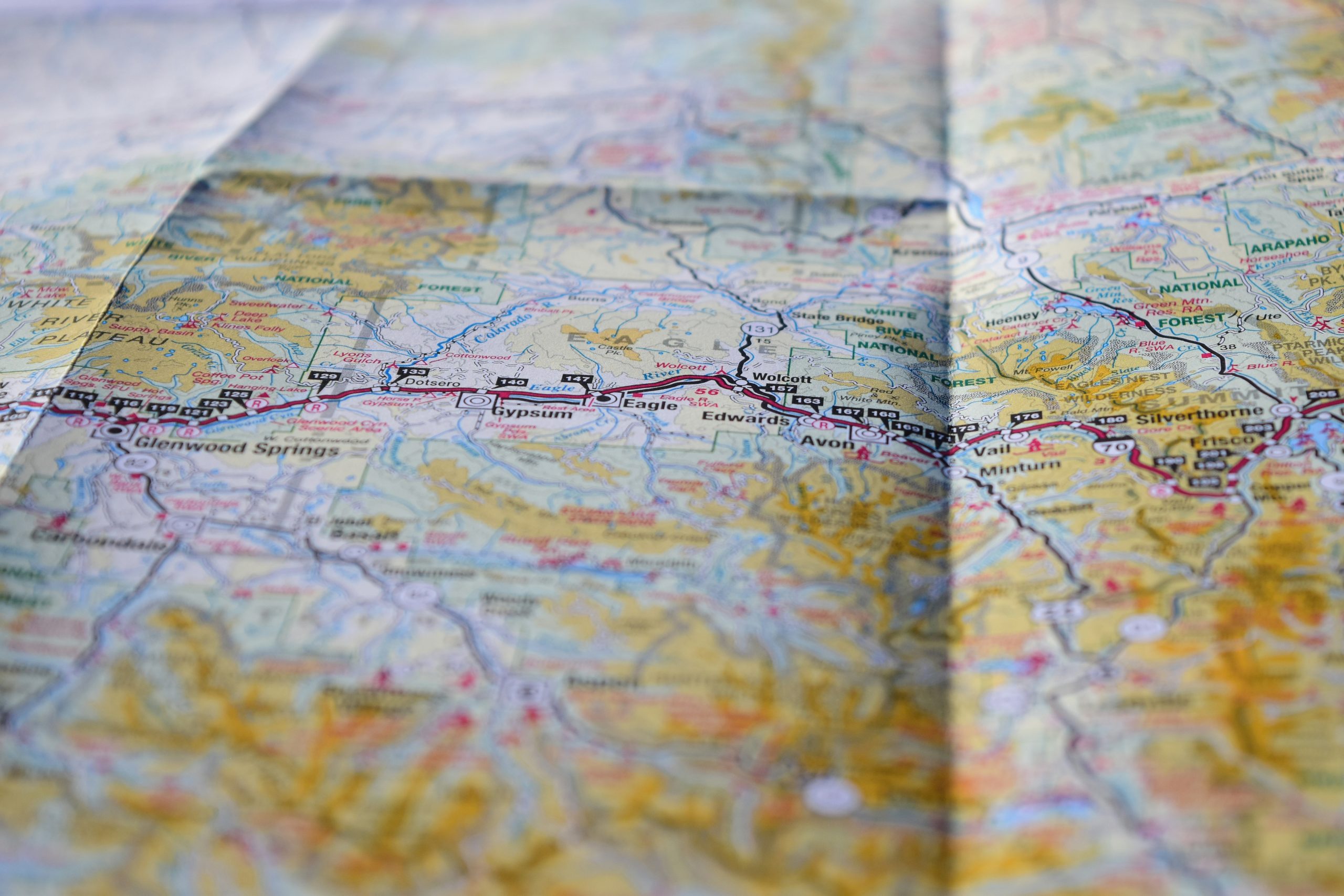



Imagine being able to see the world not just as it is, but as it could be. To understand in an instant how a single decision about where to build, where to invest, or where to act will ripple across communities, businesses, and landscapes. That is the power that Geographic Information Systems are placing in the hands of organisations right now, and it is changing everything.
GIS began its life as a tool for making maps. But the most exciting chapter of its story is only just beginning. Across urban planning, retail, and construction, forward-thinking organisations are discovering that location intelligence is not simply a technical capability. It is a transformative force. And at the heart of that transformation are the talented professionals who know how to harness it.
This is their world. And it is growing fast.
Urban Planning: Shaping the Cities of Tomorrow
Our cities are facing some of the most complex challenges in human history. Rapid population growth, climate change, housing shortages, and ageing infrastructure mean that the pressures on urban environments have never been greater. Yet for the planners and local authorities working to meet those challenges, GIS is opening up possibilities that simply did not exist a generation ago.
Where planners once spent months manually piecing together data from dozens of disconnected sources, GIS now brings it all together in one place. Population patterns, transport networks, flood risk, green space, land use and utilities are combined to create a living, breathing picture of the urban environment. Decisions that once took months can now be modelled, tested, and refined in days.
Think about what that means in practice. A new housing development that might have gone ahead without anyone fully understanding its impact on local drainage or school capacity can now be stress-tested spatially before a planning application is ever submitted. Communities can be protected. Resources can be used wisely. Better decisions can be made.
For the GIS professionals working in urban planning today, the sense of purpose is palpable. They are not just processing data. They are helping to shape the environments in which people live, work, and thrive. That is an extraordinary thing to be part of.
Retail and Location Planning: Turning Location into Opportunity
Every retailer knows that location matters. But in today’s fiercely competitive market, knowing that location matters is no longer enough. The organisations that are winning are the ones that truly understand their locations, and they are using GIS to do it.
GIS gives retailers the ability to see their customers not just as data points, but as people within a geography. Where do they live? How do they travel? What other destinations compete for their attention? What does the demographic profile of a catchment area look like today, and how is it likely to shift over the next decade? These are the questions that GIS professionals in retail are answering every day, and the answers are driving smarter and more confident investment decisions.
The impact goes beyond opening new stores. GIS is helping retailers understand how their entire network performs as a system. It identifies where locations are cannibalising each other, where gaps in coverage exist, and how the growth of online retail is reshaping the role of physical stores in different communities. It is strategic thinking powered by spatial intelligence.
For GIS professionals in this space, the opportunity to influence decisions that shape the high streets and retail environments of the future is genuinely exciting. Location intelligence is not a back-office function here. It is a seat at the strategic table.
Construction and Infrastructure: Building with Confidence
Great infrastructure is the foundation on which societies are built. Roads, railways, flood defences and utilities networks are the systems that keep communities connected, safe, and functioning. And increasingly, GIS is the technology that makes it possible to plan, build, and manage them with the precision and confidence they demand.
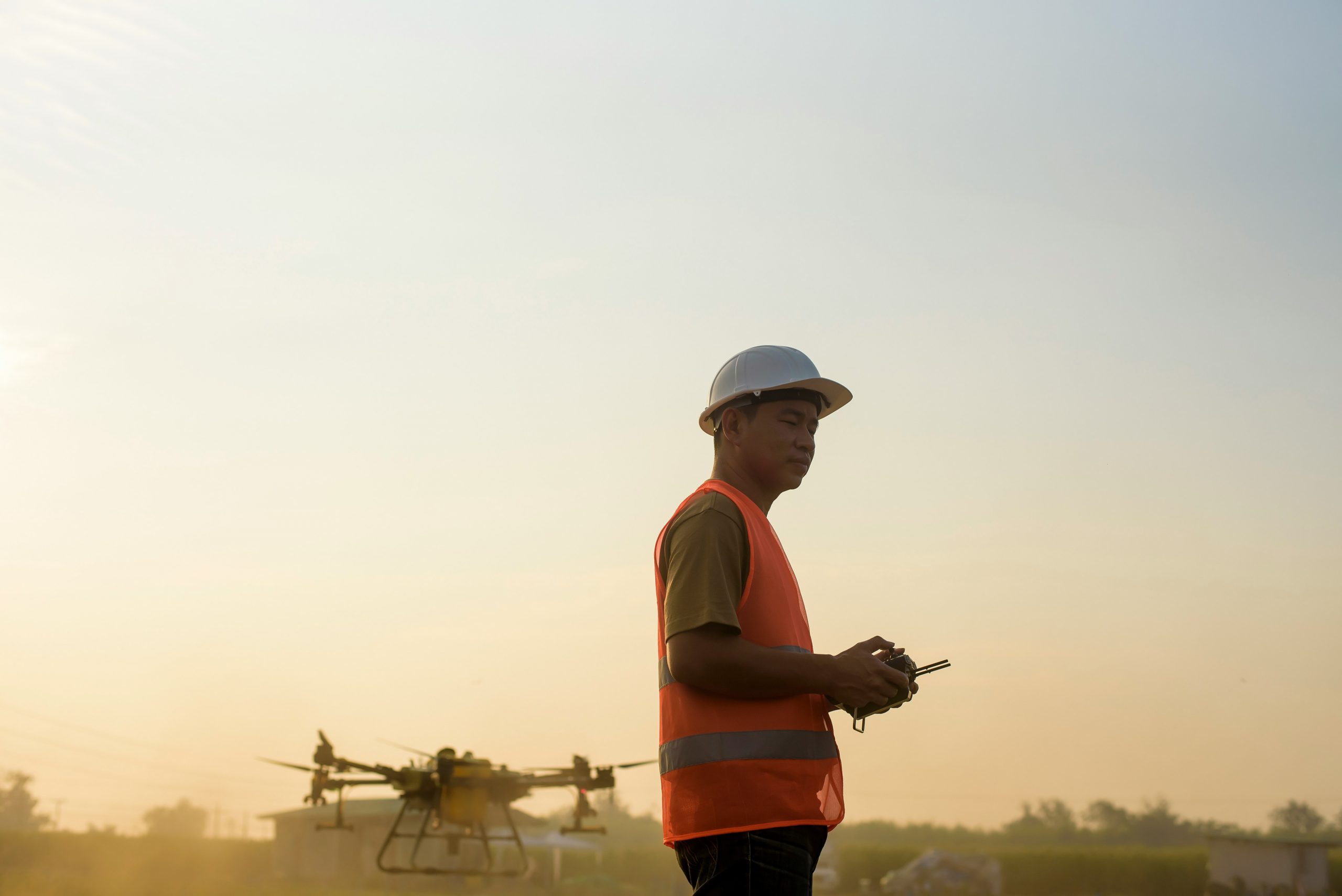
Before a single spade enters the ground, GIS professionals are at work. They are assessing ground conditions, mapping environmental constraints, modelling access routes, and identifying risks that might otherwise remain hidden until they become costly problems on site. The ability to understand a location in three dimensions, across time, and in the context of everything around it is a capability that is transforming how major projects are planned and delivered.
During construction and beyond, GIS becomes the authoritative record of what has been built and where. Integrated with BIM platforms, it creates a digital twin of the built asset that supports decades of safe and efficient operation. For the engineers, GIS analysts, and asset managers working with this data, the knowledge that their work will underpin critical national infrastructure for generations is a powerful motivator.
This is a sector where GIS professionals can see the tangible results of their work. The road that opened on time, the flood scheme that protected a community, the utility network that kept the lights on. The connection between spatial data and real-world impact does not get much more direct than this.
The People Who Make It Possible
Behind every GIS application described in this article, there are talented professionals who have chosen to build their careers in the geospatial industry. Analysts, developers, architects, consultants and data specialists who combine technical expertise with a genuine curiosity about the world and a desire to make a difference within it.
The demand for these professionals is growing at a pace that the industry is only beginning to fully appreciate. As GIS embeds itself deeper into the decision-making processes of organisations across every major sector, the need for people who can unlock its potential is becoming one of the defining workforce challenges of our time.
For those already working in GIS, this is an extraordinary moment. The breadth of opportunity has never been wider. The impact of the work has never been greater. And for those just starting out, or considering whether GIS might be the right path for them, the message is clear. This is a field with a remarkable future, and there has never been a better time to be part of it.
The Map is Just the Beginning
GIS has always been about more than maps. It has always been about understanding places, patterns, connections, and possibilities. What has changed is the scale of that understanding, and the ambition of the organisations that are now putting it to work.
From the cities we plan to the stores we open, from the infrastructure we build to the assets we manage, GIS is quietly and powerfully reshaping the way the world makes its most important decisions. The professionals driving that change deserve to be recognised, celebrated, and supported.
Finding and connecting organisations with this talent is exactly what we are here to do. Get in touch to speak to our GIS resourcing specialists to see how we can help you.